
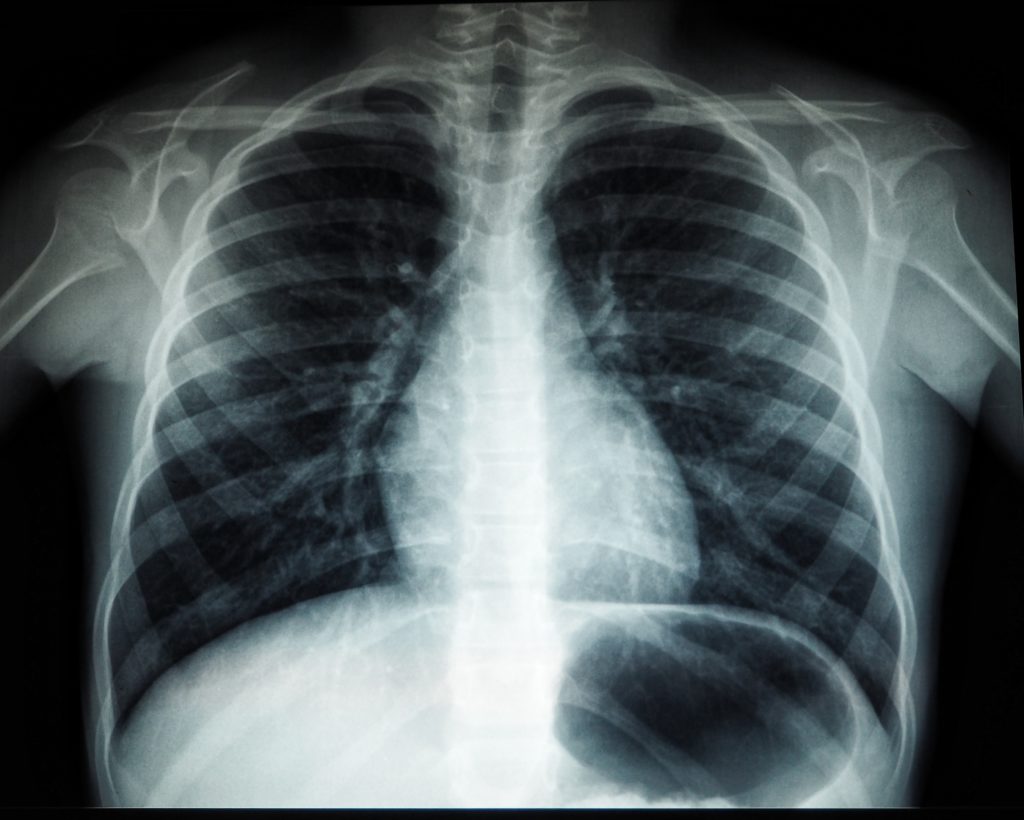
If you’re motivated by the idea of helping patients get the diagnosis and treatment they need to live healthier lives, consider a career in radiology. Often known as x-ray technicians, professionals in this field use medical imaging tests and equipment to examine bones, organs, and tissues. The resulting images help doctors diagnose patients and create treatment plans, so x-ray technicians play a vital role in healthcare.
Like most healthcare fields, this industry is predicted to keep growing for the foreseeable future, making it likely that you can find steady work after completing one of the best online x-ray technician programs available. And even if you decide that this isn’t the career you want after you graduate from an x-ray technician program, you may be able to transition to a similar career, such as an MRI technologist. Either way, you’ll have the chance to help patients on their journey toward getting diagnosed and treated, making this a rewarding career to get into.
Contents
What Is an X Ray Tech School Online Program?
As you start looking at the best online x-ray technician programs, you might wonder if the online school is right for you. This is an increasingly popular format for college programs, as students have found that online classes are much more flexible than on-campus programs that require them to do in-person learning on a regular basis. After all, online programs don’t usually require participation at a specific time, as students can watch recorded lectures and do the work at any time of day. As long as they adhere to the class due dates, they can complete their work at night or on weekends, allowing them to keep their weekdays free for a full-time job. If your current schedule doesn’t allow you to attend in-person classes on weekday mornings and afternoons, you should start looking for the best online x-ray technician programs to enroll in today. But first, you should know what to expect from these programs.
Why Choose an Online X-Ray Technician Degree?
Medical imaging is incredibly helpful in the diagnostic stage of healthcare, which means hospitals and doctor’s offices will likely always require x-ray technicians. As a result, if you’re looking for a way to help patients of all ages in a job that’s in demand, you should look at the best online x-ray technician programs available to you.
X Ray Tech Skills
Note that there are certain skills you should have if you want the best chances of succeeding in this career. Namely, you should be interested in healthcare and the use of advanced machinery to do your job, as you’ll be using and maintaining imaging equipment on a daily basis. Additionally, you should be detail-oriented, comfortable communicating with patients, and able to stand on your feet for hours at a time.
You’ll spend a lot of time preparing patients for their x-rays, ensuring they’re at the right height and angle to get the best images of the areas the x-ray machine targets. You’ll also need to keep them informed of what to do during the x-ray process, as they’ll likely have questions regarding the safety and accuracy of the x-ray machine. Finally, you’ll be expected to share the images with doctors, keep patient records, and maintain the equipment.
X Ray Tech Education Requirements
Education and training are prerequisites to pursuing a rewarding career in medical imaging technology. Having obtained a high school diploma or GED equivalent, you must proceed to an accredited radiologic technology program.
These programs are usually between two to four years, depending on the kind of program. Associate degree programs and hospital certificate programs are completed in 2 years, while a baccalaureate degree program lasts four years.
To become a medical imaging technologist, you must have passed a certification examination offered by a certifying body such as the American Registry of Radiologic Technologists (ARRT).
It is also important that you obtain your state licensure. Requirements for licensure vary by state, so check with your state’s licensing board for specific requirements.
Requirements for Online X Ray Tech Programs
If you’re specifically interested in online x-ray technician programs. In that case, you’ll need a computer with an internet connection and a quiet place to watch videos and complete your coursework. You should be set up to succeed in this field as long as you have the skills and equipment required to take x-ray technician classes. Graduating from one of the best online x-ray technician programs is just what you need to start your career in medical imaging, allowing you to start helping people in as little as two years in most cases.
Types of Radiology Tech Schools and Programs
Having known the educational requirements to pursue a career in Radiology Tech. You must get familiar with some radiology tech school types and programs to make more informed decisions.
Online Radiology Tech Certifications
With these programs, you are trained to become a certified radiologic technologist without being physically present. You enjoy learning at your own pace and in your space. Upon completing the program, you can take certification examinations like the American Registry of Radiologic Technologists (ARRT) exams. The duration of the program depends on the level of education you’re pursuing. Whether you’re pursuing a bachelor’s or master’s degree in radiology tech, you’ll learn more about their durations below. In the meantime, you can check out some accredited radiology tech programs here.
Bachelor’s Degree in Radiology Tech
The bachelor’s degree in radiology tech usually lasts four years, providing you with the necessary knowledge and skills to operate imaging equipment, prepare patients for procedures, and analyze images to assist doctors in diagnosing and treating medical conditions. The program’s coursework covers classroom activities and compulsory clinical training to help you have practical knowledge of what you’ve learned in the classroom.
Master’s Degree in Radiology Tech
If you’re looking to further your career with a move into administrative leadership or education, obtaining a master’s degree becomes a viable option. With a master’s degree in radiologic technology, you’ll gain the advanced knowledge and skills necessary to serve in a management or teaching role. These programs usually take two years to complete.
Radiology Tech Specializations
The field of Radiology Technology gives you room to become a specialist. See some of the choices you have below.
- Radiographer: A healthcare professional who uses X-rays to produce human body images for diagnosis and treatment.
- CT Technologist: CT means computed tomography, a specialist who operates the equipment that produces detailed cross-sectional images of the body.
- Diagnostic Medical Sonographer: A skilled technician who uses high-frequency sound waves to create images of the body’s organs and tissues.
- Mammographer: A technologist specializing in imaging the breast using X-ray equipment to help diagnose and treat breast diseases.
- Nuclear Medicine Technician: A healthcare professional who uses radioactive materials to diagnose and treat various medical conditions.
- MRI Technologist: An expert in magnetic resonance imaging who operates a machine that produces detailed images of internal body structures.
- Radiation Therapist: A specialist who administers radiation treatments to cancer patients to destroy cancer cells and shrink tumors.
- Radiologist Assistant: A certified radiologic technologist who works under the supervision of a radiologist to perform diagnostic imaging procedures.
- Education and Administration: A field that focuses on training healthcare professionals and managing healthcare facilities to improve patient care and outcomes
How to Choose a Radiology Tech School
Choosing the right radiology tech school can be daunting, but it’s crucial to your success as it sets the foundation of your career as a radiologic technologist.
The process begins with knowing if the online x-ray tech school is accredited by the Joint Review Committee on Education on Technology (JRCERT). This is to ensure that the school meets the national standard for education. You should also evaluate the school curriculum to know if the program offers courses that align with your career goals.
Another thing to consider is the cost of the program. It will be a plus if the school offers financial aid and scholarships to help offset the cost of tuition. Meanwhile, you can read reviews from current and former students to give you an insight into the program’s quality, instructors’ teaching style, and the overall student experience.
Most of these X Ray Tech Schools Online offer both bachelor’s and associate degree programs. If you are yet to figure out which one is right for you, the tips below should help;
- Consider your career goals. Research the specific careers you are interested in and determine the educational requirements for those jobs.
- Evaluate your financial situation. Bachelor’s programs are typically more expensive than associate programs, so consider the cost and ability to pay for the degree.
- Think about your timeline. Associate programs are typically shorter and can lead to entry-level positions sooner, while a bachelor’s program takes longer but may offer more career opportunities in the long run.
- Talk to advisors or professionals. Speak with academic advisors or professionals in the field you are interested in to gain insight and advice on which degree would be most beneficial.
How long is Online X-Ray Tech school?
The length of an online X-ray tech program varies depending on the type of program and the institution offering it. Generally, certificate programs take around 6-12 months, associate degree programs take 2 years, and bachelor’s degree programs take 4 years to complete.
How to Become an X-Ray Tech
Suppose you’re looking for an exciting career in the field of radiography. You must follow due process. See the steps to get started below;
- Complete High School or Earn a GED
The first step to becoming an X-ray tech is to graduate from high school or earn a GED. This is a minimum requirement for admission to most X-ray tech programs.
- Complete an Accredited X-Ray Tech Program
After high school, you must complete an accredited X-ray tech program. These programs can be found at community colleges, technical schools, and vocational schools. The program length varies, but most take 2-4 years to complete.
- Obtain Licensure and Certification
After completing an accredited X-ray tech program, you’ll need to become licensed and certified to work in the field. Requirements vary by state, but most require licensure and certification by the American Registry of Radiologic Technologists (ARRT).
- Consider Advanced Training
Once you’ve gained some experience in the field, consider pursuing advanced training to expand your skill set and increase your earning potential. This can include additional certifications in specialized areas, such as MRI or CT scanning.
By following these steps, you can become a skilled and qualified X-ray tech, ready to make a difference in patients’ lives and contribute to the radiology field.
How Much Does an Online X-Ray Technician Program Cost?
The cost of x-ray technician programs varies depending on a few factors, such as whether you get an associate degree or a certificate in this subject. In general, getting an education that will result in a certificate in this subject ranges from about $6,000 to $20,000. An associate degree in the same subject may cost anywhere from $4,000 to $30,000.
Note that most states require x-ray technicians to have at least an associate degree, so this program may be the right option for you if you don’t have this degree yet. But if you already have a college degree in any subject, you may need a certificate program to give you the education you need to become an x-ray technician.
As an example of how much the best online x-ray technician programs cost, the certificate program at the University of Nevada Las Vegas costs $12,700, not including books and other fees. If you don’t yet have a college degree and want to complete an associate degree program at the Cleveland Clinic Mercy Hospital School of Radiologic Technology, expect to pay $21,500. This includes tuition for four semesters, books, seminars, and more.
If you’re on a budget for school, you can often save money by taking online classes rather than driving to campus every day. Not only will you save money on gas, but you’ll have the flexibility to work while you attend school to become an x-ray technician since you’ll typically have your weekdays free. Another way to save money on tuition for the best online x-ray technician programs is to look for scholarships and grants available to people looking to get into medical imaging. Depending on the demand for x-ray technicians in your area, local hospitals and clinics may have scholarship programs to help students who want to train in this field.
How Much Do Online X-Ray Technician Majors Make?
While helping patients daily is a great reason to get into this career, another good reason is the earning power you’ll have as an x-ray technician. According to the U.S. Bureau of Labor Statistics (BLS), the median annual salary for radiologic technologists and technicians was $61,900 as of May 2020.
This means you have a good chance of making this amount during your career as an x-ray technician. However, your starting pay may be slightly lower. In fact, the BLS reported that the lowest 10 percent in this career earned just under $42,180 annually. In most cases, lower earners in this field are just getting started as an x-ray technician, so your salary may be around this amount initially.
But as you get more experience in this field, you could be one of the top earners. The BLS reported that the highest 10 percent could make more than $92,660 annually, so this job has the potential for growth.
Additionally, the type of employer you have will make a difference in your salary. For example, the BLS reported that x-ray technicians who work for the federal government make an average of $69,960 per year. Those who work at hospitals make $62,850 annually, while those who work in doctor’s offices make an average of $56,340 annually. This means that as you work on completing one of the best online x-ray technician programs, you should start thinking about what kind of healthcare setting you want to work in once you graduate.
What Is the Job Outlook for Online X-Ray Technician Program Graduates?
One of the best reasons to look at the best online x-ray technician programs is the average job outlook. The BLS reported that this field is expected to grow 7 percent between 2019 to 2029, which is faster than the average projected growth of 4 percent for all jobs.
The main reason for the expected job growth is that more people will need medical care as one of the biggest generations—baby boomers—get older. Considering that medical imaging is a big part of the diagnostic process, x-rays will always be needed in hospitals and doctor’s offices. This is why it’s no surprise that as the need for healthcare increases, so will the need for x-ray technicians. So, if you’re looking for job stability, you should look at the best online x-ray technician programs.
Radiology Tech Courses
Whether you get an x-ray technician associate degree or a certificate, you’ll typically see the same courses listed as part of the best online x-ray technician programs. After all, you’ll need to learn the skills necessary to prepare patients for x-rays either way.
As you browse programs online, you’ll likely see the following courses as part of the curriculum:
- Anatomy – Study the structure and organization of the body and its systems.
- Biology – Study living organisms and their interactions with their environment.
- Chemistry – Study matter and its properties, interactions, and transformations.
- Patient care – Learn techniques and principles for providing care and support to patients.
- Principles of imaging – Understand concepts and techniques for producing and interpreting medical images.
- Radiology theory – Study fundamental radiology principles, including radiation safety and image interpretation.
- Radiation physics – Study the properties and behavior of radiation, including its interactions with matter.
- Patient safety – Learn principles and practices for ensuring the safety of patients during medical procedures.
- Patient positioning – Learn techniques for positioning patients to optimize image quality and minimize radiation exposure.
These are just a few examples, as courses can vary from one school to another. No matter which courses you must take, once you complete the program, you should feel prepared to take the American Registry of Radiologic Technologists (ARRT) exam. Passing this test will enable you to get a license to practice as an x-ray technician in your state.
Radiology Tech Accreditation
As discussed earlier, confirming a school’s accreditation is necessary when choosing Radiology Tech School.
While there are other accreditation organizations, the Joint Review Committee on Education in Radiologic Technology (JRCERT) is the most required for many schools.
The role of JRCERT is to ensure that these X-Ray Tech programs meet certain standards and criteria. They thoroughly evaluate each program, including the curriculum, faculty, resources, and outcomes.
In many states, graduating from an accredited program is usually required to become a certified or licensed radiologic technologist.
Scholarships for Online X-Ray Technician Programs
If you’re having trouble paying for school out of pocket, look into scholarships you might qualify for. Some that are available for people studying to become x-ray technicians include the following:
Sam Kotonias Memorial X-Ray Scholarship: This scholarship is available to diagnostic imaging students who live in Minnesota. Once you submit your school transcripts, two letters of recommendation, and essay responses, you can get a scholarship worth $1,000 to help with school.
American Society of Radiologic Technologists (ASRT): This group offers several scholarships to new and current x-ray technicians looking to advance their education. Depending on the scholarship you apply for, you could earn anywhere from $500 to $5,000 toward tuition and other expenses at the school of your choice. Note that when you fill out one application with ASRT, you’ll get access to more than 15 scholarships from this foundation, as the system will match you to the ones you qualify for.
Intermountain Medical Imaging Scholarship: If you graduated from an Idaho high school with at least a 3.0 GPA, you might be eligible to have this scholarship pay toward your medical imaging education. Once you send in the application and write a personal essay, you could earn $1,000 to help pay for school costs.
These are just some examples of scholarships provided by private groups in this industry. Most colleges also offer scholarships for students enrolling in x-ray technician programs. Some examples of such schools include Boise State University, University of North Carolina Chapel Hill, and Bradford College. So if you’re worried about your ability to afford any of the best online x-ray technician programs, check with your school and industry groups in your area to see if financial aid is available to new students.
FAQs on Online X-Ray Technician Programs
Summary Information
- Certificate programs can take as little as 20 months to complete
- Associate degree programs usually take 24 months to complete
- Online x-ray technician programs give you flexibility to take classes any time so you can work
- The x-ray technician career is associated with high-salary positions
- Job growth for this career is faster than average
- You can pivot into related healthcare fields after you finish your x-ray technician program
- Tuition for the best online x-ray technician programs is highly variable
- Programs can cost as little as $4,000
- Many industry groups and schools offer scholarships to help pay for such programs.
- Online programs let you go at your own pace, saving you long-term money.