
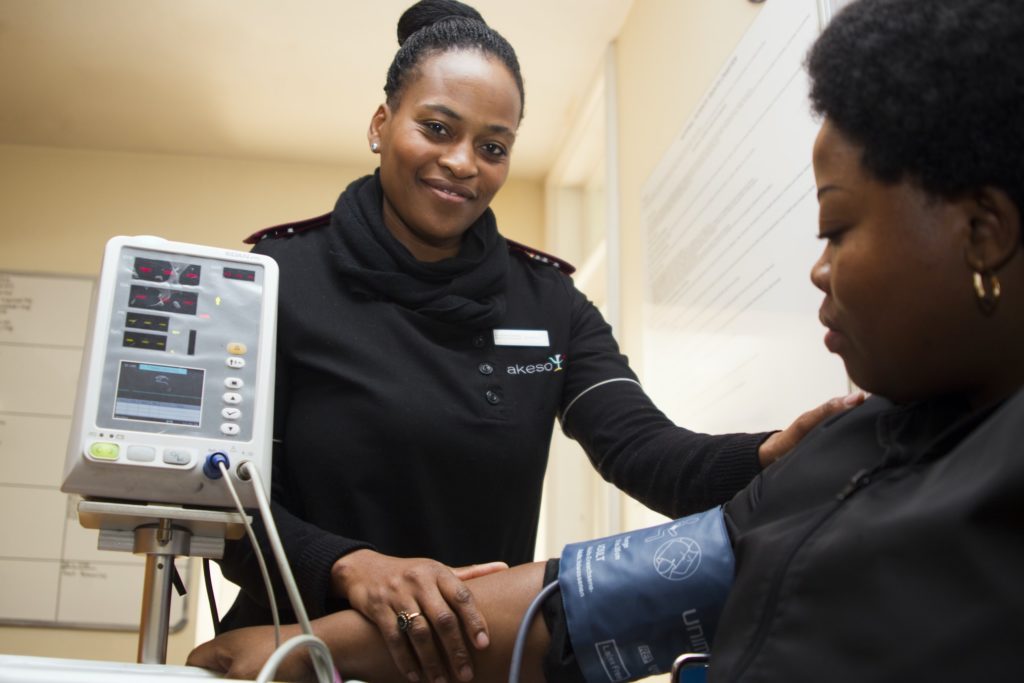
Explore career and degree program opportunities in the medical field. The best online medical assistant degree programs can help you advance your career or start your journey as an assistant in a hospital or other healthcare setting. Use this Campus Explorer guide to review the courses offered, career options, and median salaries for professionals in this field.
Contents
What Is an Online Medical Assistant Degree Program?
If you’re interested in the health and medical services field and call yourself a people person, you may want to consider the medical assistant profession major. Most professionals in the field work in doctor’s offices, while others work with specialists such as optometrists or veterinarians or hold positions in nursing care facilities, hospitals, and clinics. On the job, medical assistants do everything from medical billing to changing dressings.
Medical assistant programs are generally completed at technical schools, community colleges, or online schools but are sometimes completed at four-year colleges and universities. Upon completion, you’ll receive a degree—either a one-year certificate program or a two-year career training associate degree.
In this major, you’ll study science-based subjects as well as clerical-based subjects, including anatomy, medical terminology, insurance processing, accounting, medical law, ethics, pharmaceutical principles, and laboratory techniques. Many programs also include an internship, so you can gain practical, real-world experience.
Other similar majors that might interest you include anesthesiologist assistant, chiropractic assistant/technician, clinical assistant, physical therapist assistant, occupational therapist assistant, emergency care attendant (EMT ambulance), health/medical assisting services, pathology/pathologist assistant, clinical/medical laboratory technician, pharmacy technician, and respiratory therapy technician.
Choosing a Medical Assistant Professions School
Medical assistant professions programs can be found at colleges and universities across the country. If you want to start working quickly, look for a one-year certificate program. Your other option is to pursue a two-year associate degree from a college, university, technical school, or community college.
Some medical assistant majors focus on a specialty. If you’re interested in something specific such as assisting an optometrist or working on medical insurance billing, for example, you’ll need to choose a school offering that particular specialization area. Internships can also give you an advantage when you enter the workforce, so you may wish to select a medical assistant professions degree program that will provide you with the opportunity to work at a healthcare facility or in a physician’s office during school.
Types of Medical Assisting Schools
Finding the right type of medical assistant school is a very important part of your journey. You want to make sure you’re getting a quality education, and you also want to be sure you’re getting the type and level of degree to have the career you want. Since you can get several different levels of medical assistant degrees, some people also choose one that’s easier to get at first, and then enroll in additional schooling after they get started in their career.
Universities
Universities are the largest of the medical assistant school options, in that you can get a bachelor’s degree from them instead of an associate degree or certificate. Additionally, many universities also offer associate degrees and certifications, so you have more options when you attend a university. That can be very beneficial when you want to start out with a program that doesn’t take as much time to complete, but then want to continue to pursue your studies through the same institution.
Staying with the same school helps you transfer earned credit, and that can make your journey toward a higher level of education or another degree easier. A lot of students choose universities for that reason. But it’s also important for you to remember that universities are typically more expensive, so you may not want to start out there. That’s especially true if you only intend to get an associate degree or a certificate, since there are other ways to do that without attending a university.
Technical Schools
Technical schools are another way to get an online medical assistant degree. You can generally get certifications, and often associate degrees, from technical schools. These kinds of schools are focused on a few specific areas, and they give you the knowledge you need for your career path without a lot of other classwork that you might not be interested in.
Unlike universities, they don’t expect you to take classes to create a “well-rounded” education, and just focus on what you need to know. They traditionally cost less than attending a university, and they give you the option to get your education quickly, so you can get started on your career. An associate degree may take two years to complete, but you can generally get a certificate in medical assisting in a few months. That can help you build a better future.
Community Colleges
Community colleges are a lot like technical schools in that they don’t offer bachelor’s degrees, but they do usually offer associate degrees along with certificates. Attending a community college as your medical assistant school of choice can be a great way to get a quality education that you can build on later. Whether you get a certificate or decide an associate degree is right for your needs, you’ll have foundational studies and a level of education that can typically transfer to a university later.
Many community colleges offer medical assistant degree programs that take two years, along with certification programs that take less time and let you start working faster. If you’re looking to get into a rewarding career quickly, or you need to make a change to a different field and a higher income level, medical assistant school at a community college could be right for you.
Vocational Schools
A vocational school is typically focused on just one area, or only a couple of areas. Much like a technical school, you’re there to learn a trade or vocation, get your certification, and get started in your career. This can be a quicker way to start working as a medical assistant, since you can attend school online or in person to get the training and knowledge you’re looking for.
A lot of vocational schools offer medical assistant training because this is a field that’s in demand. There’s a shortage of people in the medical field, and that shortage doesn’t look like it will be changing anytime soon. The more people can get their education through a vocational school and get to work, the more they can help reduce the shortage and provide care for people who need it.
How to Choose a Medical Assisting School
Choosing the right medical assisting school is one of the most important parts of getting a quality education you can use to improve your future. While all accredited schools have to meet certain criteria, that doesn’t mean they’re all the same. Some go above and beyond to make sure you’re getting the information you need to have the best possible chance at a great career.
University vs. Community College vs. Vocational School
Ultimately, which kind of medical assistant school you choose is completely up to you. You have options, and weighing those options can make it easier for you to do what works for your specific needs. If you’re looking to get a bachelor’s degree you’ll want to look into attending a university.
But if you want to get a certificate or an associate degree, consider a community college. You’ll spend less for your education, and you’ll be ready to work faster, too. A vocational school can provide a similar experience, and in some cases might even be a better choice because it’s specifically designed for the career path you’re looking for, without additional class requirements.
How Long Is Medical Assistant School?
The length of time you’ll be in medical assistant school depends on the path you take for your education. If you plan to get a bachelor’s degree you can expect that to take around four years, with two years for an associate degree. Some certification programs can be completed faster than that, with a few programs offering a certificate in as little as eight months.
Career Path for Medical Assistants
The career path for medical assistants is very open. You can work as an assistant throughout your entire career if you want to, or you can get additional school to move into nursing, clinical assisting, or a particular kind of specialty. You might even decide you want to apply to medical school, with the goal of becoming a doctor.
Clinical Assistant vs. Medical Assistant
A clinical assistant will work with doctors and patients much more directly, while an administrative medical assistant will be more focused on the office side of healthcare work. Both are very valuable areas of the medical system, and you’ll want to carefully consider which would be best for you.
Medical Assisting Accreditation
Medical assistants can be accredited, which can help them get jobs more easily. If you attend a school with a program accredited by CAAHEP or ABHES, you can be eligible to take the AAMA (American Association of Medical Assistants) exam. That’s not required to work as a medical assistant, but it can give you an advantage over your peers and may make it easier for you to advance your career.
Medical Assisting Courses
Understanding what kinds of courses you can expect to take can help you prepare for your medical assistant degree. Most of the courses you’ll take will be centered around things like:
- Anatomy and physiology
- Pharmacology
- Medical terminology
- Patient care
- Phlebotomy
You may also learn some basic surgical assisting, along with office work, so you have all the skills you need to get started on a great new career.
Medical Assistant Professions Degree Programs
Medical assistant professions majors can pursue two types of degrees. You can earn a two-year associate degree from a community college, technical school, college, or university or earn a diploma from a one-year certificate program at a technical school or community college. Coursework includes both clerical- and science-based subjects. Students usually must complete an internship in a hospital, clinic, or doctor’s office before graduation as well.
You can begin a career as a medical assistant after completing a one-year certificate degree program at a career college or technical school, but you can bet an associate degree will help you qualify for higher-paying jobs. In addition, with a medical assistant degree under your belt, you can also advance to other nursing or medical administration careers through further education.
Online Medical Assistant Professions Degree Programs at Online Schools
If you prefer, you can achieve a medical assistant professions online degree. While you won’t be able to test your skills in patient care, you can take distance-learning classes in medical terminology, insurance billing, medical computer applications, and more. This is why many online medical assistant professions programs prepare you for careers on the administrative and business side of the field.
Medical Assistant vs Medical Administrative Assistant Programs: What’s the Difference?
Although similar, medical assistant and medical administrative assistant programs are not the same. The key difference is the training within the programs. Medical assistant programs train individuals to treat patients and perform administrative tasks, while medical administrative assistant programs only train individuals on performing administrative duties. So if you are interested in assisting with patients and performing administrative tasks, then a medical assistant program is a great option. If you are interested in helping with only administrative tasks then a medical administrative assistant program is the right choice.
Why Choose an Online Medical Assistant Degree?
Working as a medical assistant can be incredibly rewarding. If you desire to help people and fulfill a crucial role in the healthcare industry, without the full training required to be a doctor, then a medical assistant degree may be right for you.
Compared with other healthcare and people-helping careers, this option requires less training. A one-year certificate program may qualify you to apply for a position in a medical facility. An associate, bachelor’s, or master’s degree in the field can improve your application or qualify you for other positions.
Studying online allows you to create your own learning schedule. Many online courses are self-paced or have accelerated options, so you can tailor your learning to fit your busy schedule. In addition, you don’t have to wait for a four-year degree or enroll in medical school to work with medical practitioners and assist individuals in your community.
High School Preparation
During high school, you should focus on math, science, and computer classes. People skills are also crucial for medical assistant professions, so consider speech classes or the drama club. You may need to help patients who don’t speak English, so foreign language skills can give you an edge in this field. And finally, any part-time jobs or volunteer work completed at a hospital, clinic, or nursing care facility will prove invaluable when applying to colleges or universities.
How Much Does a Medical Assistant Degree Cost?
The cost of the best online medical assistant programs varies depending on the degree program you choose, your location, and your institution. For a one-year certificate program, you can expect to pay between $2,500 and $10,000.
Online bachelor’s degree programs cost, on average, about $38,500 to $60,600. A master’s degree program costs around $23,600, on average. These rates depend on the cost per credit, the number of credits, and available scholarships for your chosen program. Private programs tend to cost more than state colleges, and you may have to pay a higher tuition rate if you attend an out-of-state program.
Online programs tend to cost less than on-campus ones. One reason is because of the number of additional fees included in an in-person program. However, as an online student, you typically don’t have to pay the campus fees, room and board, and other fees associated with the typical campus experience.
Popular Careers in the Field of Medical Assistant Professions
Whether you graduate from a certificate program or earn an associate degree or online degree, you can expect excellent job prospects through 2029, according to the U.S. Bureau of Labor Statistics or BLS. Medical assistant professions are predicted to be one of the fastest-growing careers in the coming decade.
While about 60% of all medical assistants work in physician’s offices, there are opportunities in hospitals, clinics, and other types of settings such as a podiatrist’s practice or a veterinarian clinic. Most medical assistants earn an annual salary of around $35,900. Those working in general medical and surgical hospitals often earn the highest salaries.
In general, medical assistants are responsible for maintaining a well-run office or clinic, taking care of both office responsibilities and patient needs. Much of the work is clerical, but clinical duties such as drawing blood and removing stitches are allowed in some states. Other work includes handling insurance forms and billing, taking patient histories, preparing patients to see the doctors, and checking patients for appointments.
If you’re interested in a particular specialty or type of medical setting, you may want to consider related careers, including physical therapist assistants, occupational therapist assistants, medical and clinical laboratory technicians, emergency medical technicians and paramedics, and respiratory therapy technicians.
How Much Do Medical Assistant Majors Make?
Typical medical assistant positions earned a median pay of around $35,900 in 2020, according to BLS. However, the exact salary depends on your metropolitan area, region, and state. It also depends on your level of education and work experience.
Associate Degree in Medical Assisting Salary
According to PayScale, for example, an associate degree holder in the medical assisting field earns a median salary of around $47,000 as of August 2021. A Bachelor of Science in medical assisting earns a median wage of approximately $91,000, according to PayScale. A bachelor’s or master’s degree may help you apply for a new position or achieve a raise in your current job.
Medical Assistant Salary
There are many other assistant occupations. For example, dental assistants earned a 2020 median pay of $41,200, according to BLS. As a nursing assistant or orderly, you may accumulate around the 2020 median pay of $30,800. Physical therapist assistants and aides earned approximately $50,000 in 2020.
Most assisting positions work in hospitals or other healthcare offices. The education and work experience requirements vary, but you can typically apply for one of these positions with a certificate or degree in the relevant field. Consider choosing a concentration in one of these areas, or enroll in a general medical assistant program online to prepare for a broad range of positions.
What Is the Job Outlook for Medical Assistant Degree Holders?
Prepare for an exciting career in a high-growth industry when you train as a medical assistant. According to BLS, this career path is expected to grow from 2019 to 2029 at a rate of 19%. This is much faster than the average rate of job growth.
Scholarships for Medical Assistants
If finances are holding you back from applying for an online medical assistant program, consider the many scholarship opportunities available to you. Scholarships help cover tuition and living expenses as a full-time or part-time student. Some are offered by your school of choice, while others are distributed through non-profit organizations.
Review each scholarship carefully before you apply. Many are open to all students, while some are only offered to specific courses, community groups, or regions. Also, ask whether a scholarship is offered on a multi-year or one-time basis.
Start your search with these options to see if you can apply. Then, check the application process to see if you need to write an essay or simply enter your information. Here are some options for medical assistant programs:
- AMT Outstanding Student Award: The American Medical Technologists offers a one-time scholarship of $250 for outstanding students entering a related program.
- ADA Foundation Dr. David Whiston Leadership Award: The American Dental Association Foundation offers a $5,000 award for dental students under the age of 40. They also provide charitable assistance grants and other scholarships.
- Maxine Williams Scholarship Fund: Provided by the American Association of Medical Assistants, the Maxine Williams Scholarship Fund offers a needs-based award with a minimum amount of $1,000.
FAQs About Medical Assistant Degrees
Summary Information
- Programs can take between 12 months and 48 months, depending on the degree
- Popular concentrations include cardiology and obstetrics/gynecology
- Programs can be completed fully online
- Provides essential training for medical assistant and physical therapist assistant careers
- Offers opportunities in high-growth medical positions
- Online programs offer flexible scheduling
- Many scholarships are associated with medical industry programs
- Program costs vary considerably
- Online degree programs tend to be more affordable than on-campus ones